
A modern home is a welcoming space for more than just your human tenants. Local wildlife would also love to enjoy the warmth, shelter, and conveniences of your rental homes. The only problem is that pests make terrible tenants. They don’t pay rent, and they almost always do damage to the property. Of course, dealing with pests is also more challenging when you have tenants to consider.
As a landlord, your job is to minimize your tenants’ exposure to pests and to swiftly deal with any wildlife that tries to move in during the lease. The good news is that a few pest control best practices can keep your rentals routinely pest-free. These tips will help you protect your properties and tenants from pests.
Know Your Responsibility
Pest control is a maintenance issue that falls on the landlord. While tenants should act responsibly to avoid drawing pests (proper food storage, garbage management, and so on), landlords are responsible for preventing and removing infestations. This is because pests pose a risk to both the property and the health of your tenants.
Prevention is the best approach to pest control for rentals. A good prevention routine can keep pests away from the house or building in the long-term. However, just in case an infestation does occur, it’s important to also be prepared to work with your tenants to safely remove the unwanted wildlife.
In regions with a higher pest risk, it may also be helpful to establish a few house rules in the lease so tenants understand how to minimize the risk of drawing pests with their household routines.
Preventative Pest Control
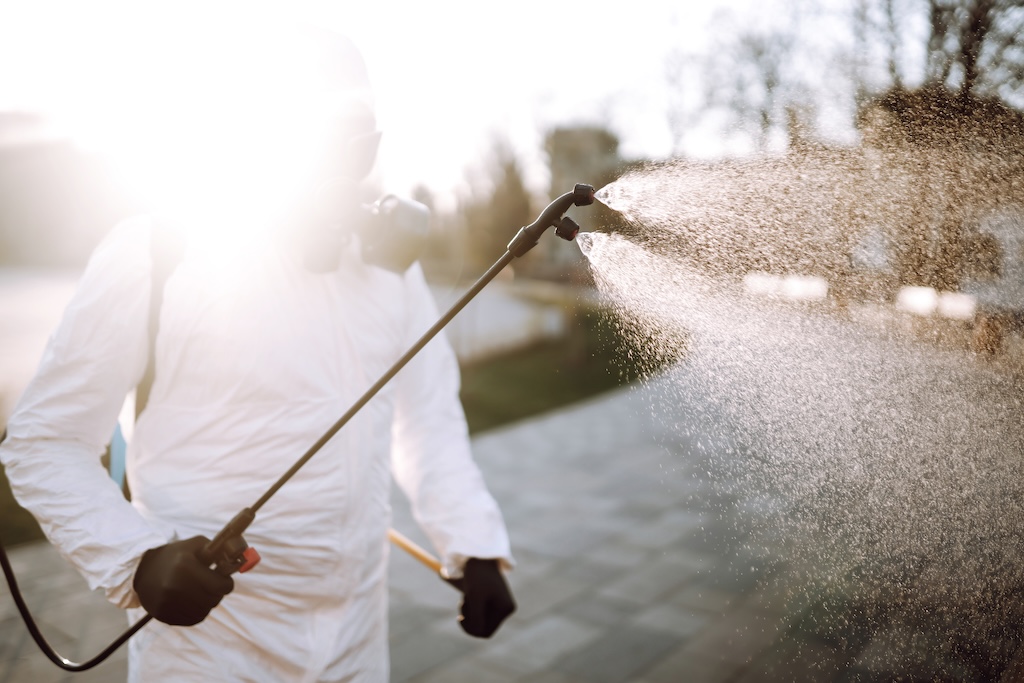
Preventative pest control involves both regular maintenance and property treatments. The goal is to make your rentals — and the surrounding land — unwelcoming to pests so they do not have a chance to move in. The key elements of pest prevention include
- Lawn and grounds treatment to discourage harmful creatures from building nests nearby
- Closing access points through repairs and vent covers
- Treating the building perimeter
- Plumbing and utility maintenance
- Secure garbage policies and services
- Routine lawn care
- Annual treatments and maintenance checks
Pest Prevention for Single-Family Home Rentals
If you have single-family homes in your rental portfolio, build custom pest control schedule for each one. Create a checklist with scheduled preventative maintenance based on your routine inspection and lease renewal cycle with your tenants. Also consider the specific needs of the property.
- Work with the tenant to keep the lawn, yard, and side yard trimmed
- Schedule an annual or 6-month inspection
- Repair any siding gaps, cracks, or uncovered vents you find
- Schedule annual perimeter treatment for all-year protection
- Inform tenants of trash and storage policies to discourage local pests
Pest Prevention for Multi-Family Home Rentals
For multi-family homes, you have more access and control over the exterior of the building, but must also consider how each unit’s individual pest control routine might affect others.
- Schedule routine lawn care and property treatments to discourage local pests
- Perform regular maintenance to close access points
- Manage dumpsters and garbage in a sealed and secure fashion
- Schedule yearly or 6-month unit inspections and — if necessary — preventative indoor treatments
- Set building-wide policies regarding food, garbage, and maintenance to minimize pest risk per-unit
Dealing with Infestations in Rentals
While prevention is mostly effective, it is still possible that a tenant will call about a pest problem that broke through your defenses. Perhaps it was a pest you didn’t anticipate, like attic raccoons, or recent weather created a higher risk factor.
No matter the cause, the correct response is to work with your tenant to schedule a professional pest removal service and then re-secure the home through preventative measures.
DIY or Pest Control Service?
One question landlords often face is the decision to handle matters DIY or hire a service. When it comes to pest control, it’s best to work with a trusted service. While you can take on the landscaping and maintenance repairs DIY if you choose, the chemical treatments used to keep your grounds, building exteriors, and especially building interiors pest-free should be administered by a trained team.
They will expertly select the right formulas and use appropriate methods to ensure your properties are pest-resistant while still safe for tenant families and household pets.
Protect You Property and Tenants with Prisma Landlord
Preventative pest control relies on a routine of maintenance and property treatments. Prisma Landlord can help you manage your properties and support your tenants by providing a platform from which they can let you know when pest issues arise. The right software can ensure that it’s easy to maintain your maintenance schedule and keep in touch with your tenants.
